
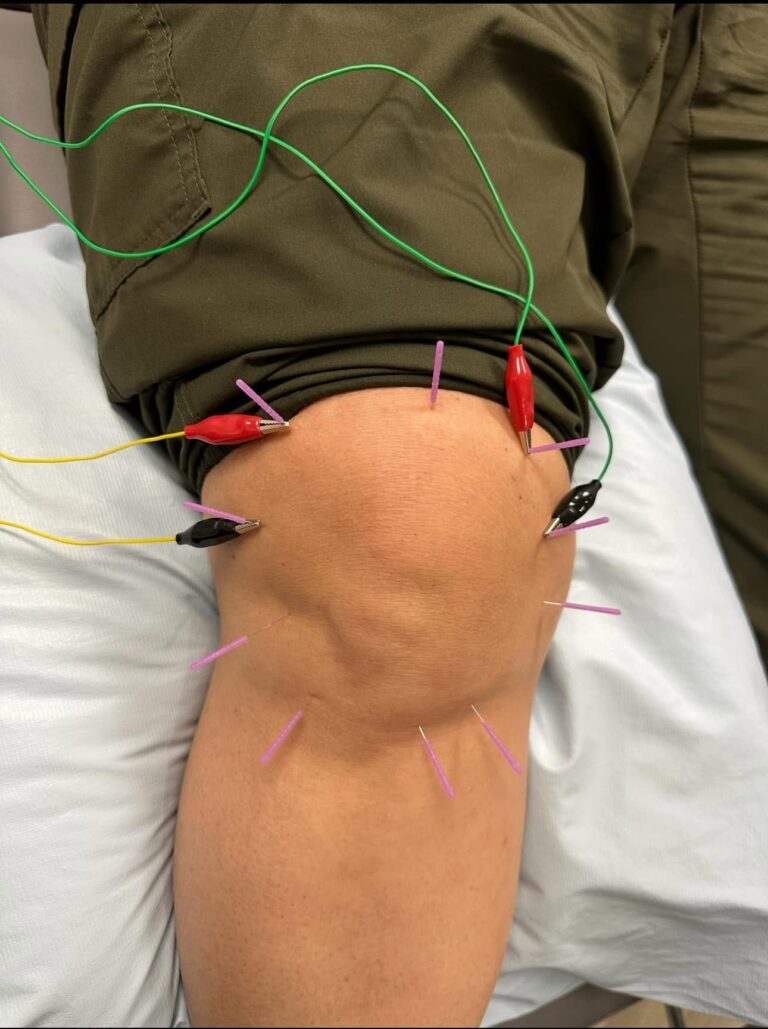
Understanding joint pain
Joint pain in the arms and legs can come from the joint itself, the surrounding muscles and tendons, or from how nearby joints and the spine are moving. A stiff ankle, for example, can change how the knee and hip move when you walk.
Dr. Davis treats shoulder, elbow, wrist, hip, knee, ankle and foot pain. Each has its own page with more detail.
Who this care may be appropriate for
People with joint pain from overuse, activity, an old injury, or stiffness that limits movement.
Common symptoms patients describe
- Pain with a specific movement
- Joint stiffness in the morning
- Pain after sports or repetitive work
Individual results vary. Your care plan depends on your exam and health history.
What to expect
Health history and exam
Dr. Davis reviews your health history and examines the area of concern. Your first visit takes about 30 minutes.
Your options, explained
You hear the exam findings and whether this care is a reasonable option for you. You decide how to proceed.
Treatment options
Dr. Davis examines the painful joint and the joints above and below it, then explains options such as extremity adjustments, dry needling and home guidance. If the exam suggests a tear, fracture or arthritis that needs medical management, you'll be referred.
Follow-up
Dr. Davis checks how you responded and adjusts the plan as needed.
Get medical care promptly for a joint that is hot, red and swollen, a joint you cannot move or put weight on, or pain after a significant fall or accident.
Questions about joint pain
Do chiropractors treat joints other than the spine?
Yes. Many chiropractors, including Dr. Davis, evaluate and treat the shoulders, elbows, wrists, hips, knees, ankles and feet.
What if I have arthritis?
Arthritis does not automatically rule out chiropractic care. Dr. Davis will adapt techniques to your situation or let you know if another provider is a better fit.
Do I need to bring imaging?
No, but if you already have X-ray or MRI reports, you're welcome to share them.

Last reviewed October 2026